TrueWater Pacific
The way we deal with wastewater is changing.
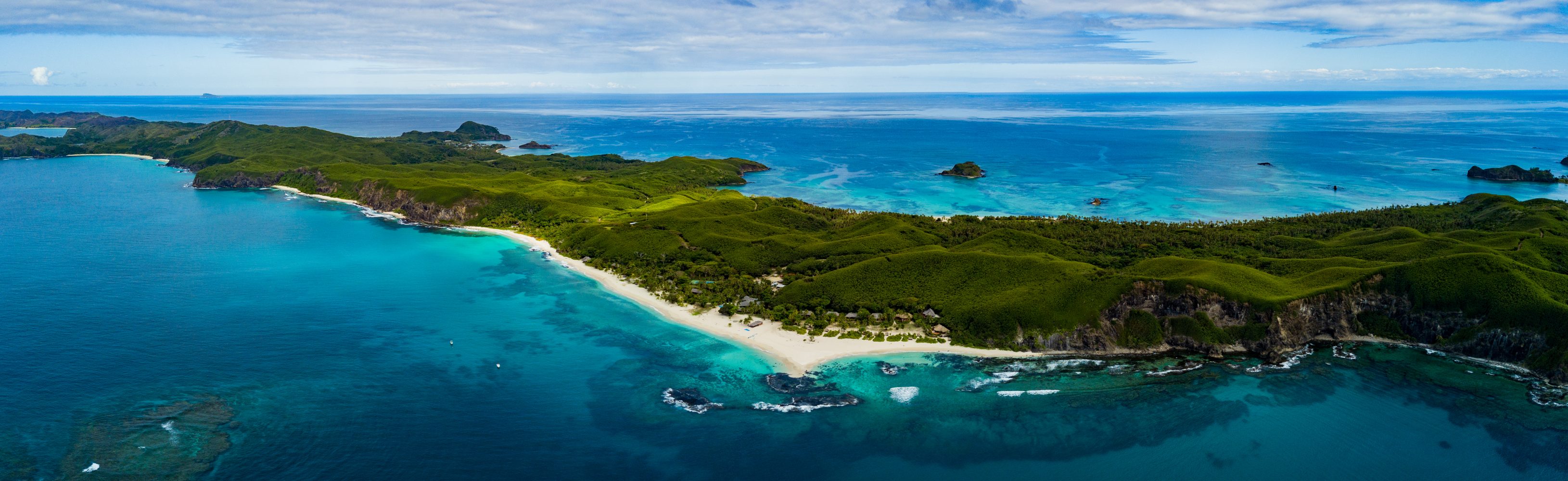
The Pacific region boasts around 30,000 islands, grouped into three geographical regions: Melanesia, Micronesia, and Polynesia. Remote locations and natural disaster risks make developing and maintaining essential infrastructure exceptionally expensive for these vulnerable communities over time.
Growing communities and tourism in isolated areas make environmental awareness and improved resource management increasingly vital for long-term sustainability and resilience. Climate change and overfishing are widely recognised threats to the unique, diverse marine environments including abundant coral reefs and marine life.
However, untreated sewage also poses a significant pollution menace. Over the coming decades, impacts from nutrient loading, oxygen depletion, and increased pathogens are expected to contribute significantly to damaging these precious ecosystems.
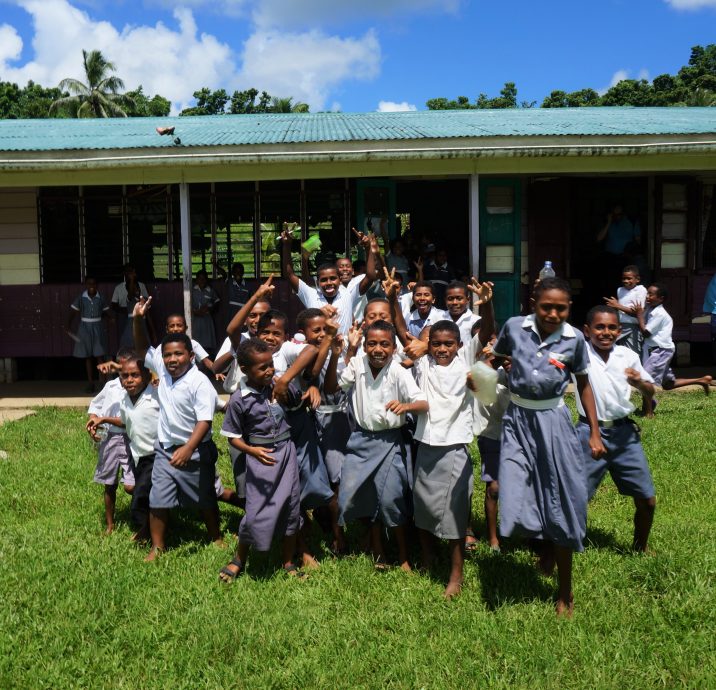
The coastal and marine environments in the Pacific region are of great social and economic importance.
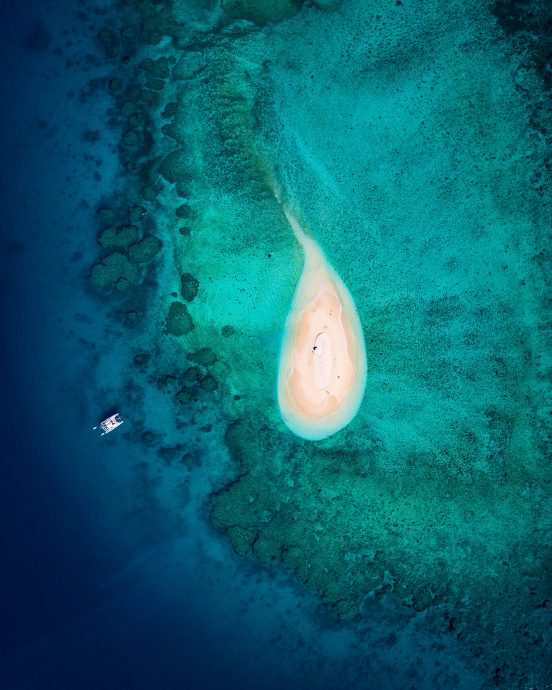
To put this in context, it is estimated nine million people in the Pacific benefit from coral reefs. Including almost seven million people who are highly dependent on reefs for their food or livelihood. Therefore, it is crucial that wastewater treatment solutions produce safe, treated water to preserve these environments and vital economic resources.
Excess nutrients are the most common pollutant found in sewage. On a reef, coral and seaweed compete for space and light, with corals typically prevailing. However, excess nutrients can tip the balance in favour of seaweed. Sewage also provides a breeding ground for viruses and bacteria, and faecal contamination is a major (worldwide) contributor to coral reef decline.
Discovering suitable wastewater treatment solutions can be a challenging task. This is due to the extreme environments, intermittent power supply, and variable flows.
Effective treatment solutions must meet certain factors such as treatment quality requirements and cost. It also includes operational (including climate, power, and flows) conditions and operational requirements, complexity, and uniformity.
TrueWater Pacific is proud to offer high-quality, low-cost commercial, and community treatment plants which are expertly designed to perform in even the most extreme climatic environments.
We are committed to helping your project team make informed decisions about investing in ISO-certified wastewater infrastructure. We take responsibility for the duration of every project phase; from consultancy and regulatory approvals, to design, production, installation, and maintenance.

Simple and Low Cost Operation
Reliable Water sanitation and community safety
Local Labour and trade involvement
Strong, lightweight, and proven 50 year engineering life
Robust and resistent to tropical climate
Designed for remote applications