
Household Sewage News
October 8, 2026
Onsite wastewater planning for rural and regional subdivisions
Rural and regional subdivisions can unlock land value and create new housing opportunities. However, landowners must meet zoning rules, minimum lot sizes and council requirements. Each proposed lot needs evidence that it can support a suitable onsite wastewater treatment system. Addressing wastewater constraints early can prevent costly redesigns, improve subdivision layouts and strengthen the development application.
Your local Council regulates the installation and operation of On-site Sewage and Wastewater Management Systems (OWSM) under the Onsite Wastewater Management Guidelines. Many rural, lifestyle and urban-fringe sites are not connected to municipal sewerage, so each proposed lot may need to accommodate its own onsite wastewater treatment system (WWTS). A WWTS treats wastewater on the property and disperses the treated water through a suitable land application system, such as subsurface irrigation, absorption beds or trenches. The system and disposal area must be suited to the site and maintained regularly to support safe, sustainable performance.
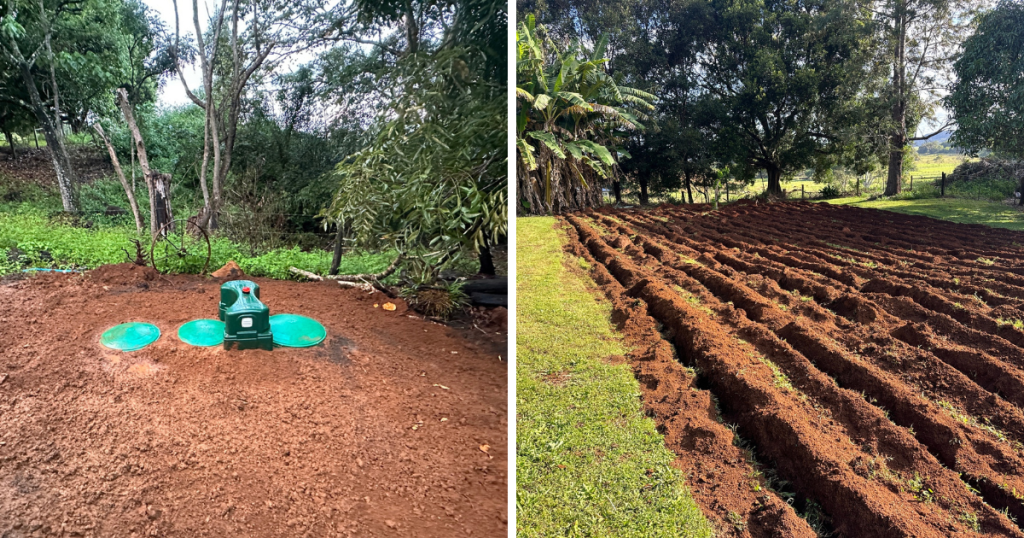
Land Capability Assessments for Subdivisions
Each proposed lot must have enough suitable land to support a WWTS without creating unacceptable risks to public health or the environment. TrueWater’s Effluent Management Report (EMR) determines how the sewage produced on-site will be managed, treated, and then disposed of. It is a technical document that carefully considers the management options for your wastewater solution.
Before commencing a report, our consultants conduct a thorough site visit, taking measurements, photos and soil samples for analysis. A qualified site and soil assessment should therefore review:
- Lot size and shape
- Landscape and slope
- Soil type and permeability
- Nearby watercourses and environmental features
- Local climate conditions
- AS/NZS 1547:2012 (On-site domestic wastewater management) and council regulations
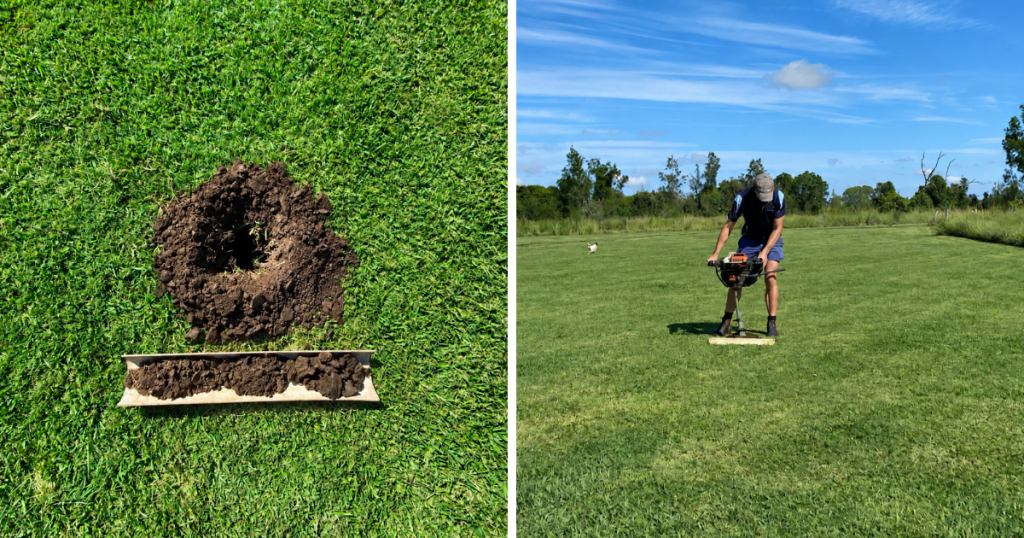
Rural and regional subdivisions often require a Land Capability Assessment, also called an Onsite Wastewater Report, for subdivisions. It identifies site constraints, suitable application areas, and system requirements. The findings can shape the final lot layout and strengthen the development application.
Expert Guidance and Council Approval
TrueWater assesses soil, landscape, vegetation, climate, drainage and groundwater risks. We then offer practical wastewater solutions that suit the site and council requirements. Our advice supports compliant, sustainable wastewater management.
Our professional wastewater assessment clearly records site conditions, identifies constraints and explains how the proposed wastewater solution meets council requirements. This gives council the evidence needed to assess compliance.
Local council approvals can feel complex. We encourage you to engage TrueWater in the early stages of the subdivision design. We bring decades of experience, industry knowledge, and strong council relationships to every project. Our experience can reduce delays, prevent redesigns, and help deliver practical, compliant outcomes.

RELATED NEWS

Perry Homes Appoints True Water Australia as Contracted Supplier
Perry Homes Head Office has formalised an agreement with True Water Australia
Onsite Wastewater and Your Council
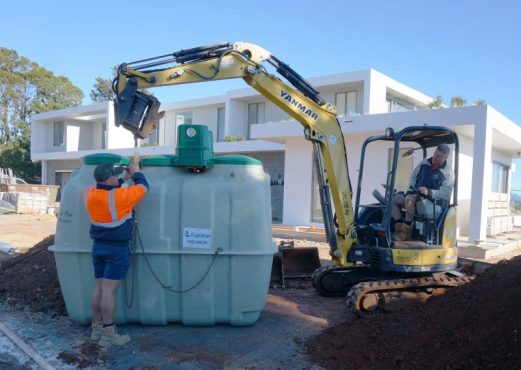
When you install an onsite wastewater system to service your home, you need to get approval from your local council
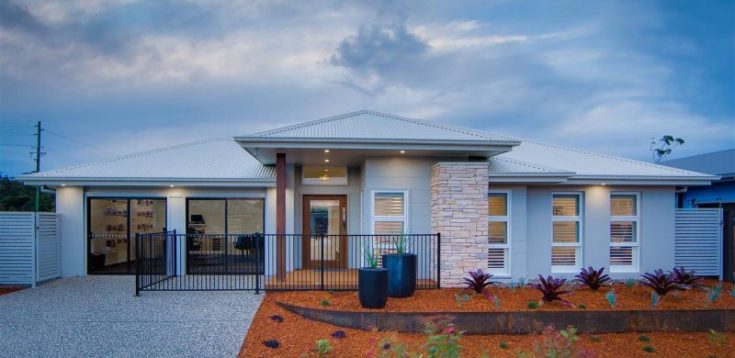
GJ Gardner working with True Water to deliver Sewage Treatment
We work closely with clients, builders and architects to provide the highest quality customer service